What should I not eat during pregnancy?\r
It is well known that alcohol and nicotine are taboo during pregnancy. But beyond that there is a wealth of prohibitions and good advice for expectant mothers. Some of them are simply wrong. For example, that you are not allowed to drink black tea or coffee during pregnancy. Others are certainly justified. We tell you which foods you should avoid during pregnancy.\r
Why do I have unusual food cravings during pregnancy?
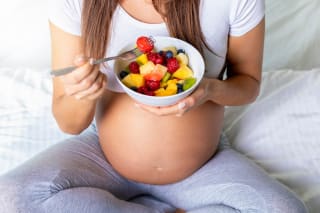
Heaps of yogurt, chips with chocolate cream or the notorious pickles – many women suddenly crave things during pregnancy that they might never eat otherwise or scorn familiar favorite dishes. The reason is the hormonal changes. The pregnancy hormone HCG causes the perception of smell and taste to shift, so that familiar foods are experienced differently.
At the same time, cravings usually clearly show what the body currently needs: a desire for salty foods can be related to increased iodine needs, a craving for fruit perhaps to a greater need for vitamins or fluids. As long as you make sure not to consume too much salt, fat and sugar, you can indulge the cravings. As a rule, they disappear just as suddenly as they came.
The most important nutrition tips for pregnant women\r
Eat small portions regularly:\r Frequent small meals relieve the digestive system and can help keep nausea and constipation in check during the first months.\r
Drink plenty of fluids:\r During pregnancy, among other things, blood volume increases by up to 35%. Sufficient water or other unsweetened drinks are important to support metabolic functions and to reduce complaints such as constipation.
Eat fiber-rich foods:\r Many pregnant women struggle mainly in the first half of pregnancy with constipation and digestive problems. A fiber-rich diet with whole grains, legumes, fruits and vegetables helps to relieve symptoms.\r
Plenty of fresh produce:\r Throughout pregnancy, plenty of fresh fruit and vegetables should be on the menu. This not only ensures a good supply of vitamins and fiber, but also provides the body with additional fluids it now urgently needs.\r
Avoid raw animal products:\r You should avoid raw milk cheese, raw eggs and undercooked meat or fish products during pregnancy. The bacteria contained in raw animal products can cause serious developmental damage to the baby.\r
Be careful with spicy and fatty foods:\r Spicy or high-fat foods can cause unpleasant heartburn in pregnant women. Over time, sensitivity as well as cravings for certain foods may change.\r
Give in to cravings – in moderation:\r If you get a sudden craving for fruit, salty or sweet foods, you should feel free to give in. As a rule, the body is signaling its needs, for example an increased need for vitamins or iodine.
More articles about expectant mothers

Image credits
Pregnant woman cuts vegetables in the kitchen © lordn - stock.adobe.com
Pregnant woman eats a fruit salad © moofushi - stock.adobe.com