Reading in kindergarten – these are the opinions
Music classes, sports and tutoring – comprehensive and early support seems to be becoming increasingly important to parents. According to the third HABA education study, in which about 3.000 parents were surveyed, among other things on the topic of early stimulation, 81 % clearly reject the schoolification of kindergarten time: they fear that achievement-oriented promotion could harm children's development.
This intuitive concern is also supported by scientific data. With regard to learning to read, experts conclude that early instruction is unnecessary and even distracts from more important tasks. You can read all the study's results in the report of the third HABA education study.
Priority in kindergarten: Reading aloud!
Children have plenty of time at school to learn to read. Instruction by trained professionals provides ideal conditions for learning to write and read. Some children have a strong interest in letters and learn to read on their own. You shouldn't force the others to do so. It's much more important at this age to spark a basic interest in books and language, because that makes learning to read at school easier.
Reading stories aloud, picture books and fairy tales is a good way to stimulate the imagination and spark enthusiasm for reading. And: Even when being read to, children expand their vocabulary and get a feel for grammar and sentence structure. In addition, reading aloud is a great opportunity to unwind, cuddle and relax, whether in kindergarten or at home with mom and dad.
„What's that say?“ – When children want to learn to read

Many children already show a great interest in letters in kindergarten and can hardly wait to learn to read and write. They increasingly ask things like “What's that say?” or “Can you read that to me?”. Words are a mysterious, fascinating world, and if children are interested, you shouldn't withhold this world from them. Instead, you can gently introduce your child to letters and words.
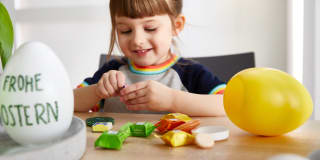
Letters everywhere:
Let them decide for themselves when and how extensively they want to engage with learning to read, and, if necessary, provide them with various media: Some children learn with their picture books, others decipher street signs or write their own names. Support them if necessary, but don't demand anything.
B-E-N:The child's own name is usually the entry to learning to read and the first word children can write themselves. This doesn't always have much to do with reading; rather, children recognize a sequence of symbols. The meaning of the individual symbols often remains a mystery to many. That's perfectly fine. But of course it makes children proud when they can write their name and sign their own drawings. Praise them generously when your child has accomplished this feat.
Teaching reading to kindergarten children
Tips and no-gos
Relax:
It's normal for a child in kindergarten not to be reading yet. No one expects them to already know everything when starting school that they'll actually learn only then. If your child only shows limited interest in words and letters, that's no problem.
Let the child be a child:
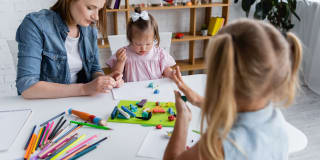
Kindergarten should be a time for playing and exploring. Coercion when learning to read often achieves the opposite of the intended goal: children close off and feel pressured. This can later become a problem at school.
Reading aloud:
More important than learning to write in kindergarten is reading aloud. Language games, singing and conversations provide a good understanding of words and train phonemic awareness.
Encourage interest:
If your child already enjoys engaging with words and letters before starting school, there's no reason not to encourage and support that interest.
Don't play school:
Interested children should be introduced to reading playfully and without pressure. Let your child decide when and how long they want to learn.
Let them try things out:
Mistakes in reading and writing are perfectly fine. Give your child pens and paper so they can try writing anytime they feel like it.