How does tidiness affect learning?
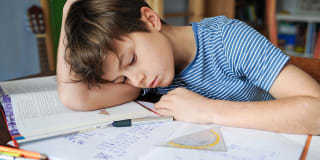
A a tidy desk brings order to the mind. If everything has its place and besides the school supplies no unnecessary items take up space on the desk, the brain is less distracted. This makes it easier for children to focus on their learning materials, homework or the material for the next class test to concentrate.
Another advantage: School supplies are easier to find. The excuse that you couldn't find the notebook or that the watercolors 'just disappeared' no longer holds. And: If you organize your school supplies at home, you also have less stress when packing the schoolbag. This way the trip to school isn't plagued by the thought of whether you really have everything important for the school day.
How can I create a productive learning environment at home?
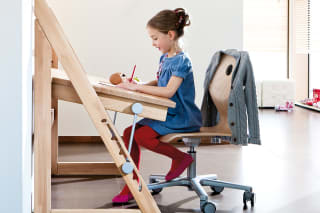
Many parents wonder what their children really need to learn at home undisturbed and motivated. Keep in mind:
Optimal conditions: The best learning environment is different for every child: Some need absolute silence to be able to concentrate. Others like music or the rustle of others. In any case, your child should always have a fixed place to do homework that is set up optimally for them. Maybe learning posters or a pinboard help to keep an overview. Or a particularly low-stimulus environment to solve math problems.
A pleasant learning environment also includes an ergonomic workspace. The desk and chair should be adjusted to the child's height.
A good lighting is also important. If your children work with a screen, make sure the screen is at eye level so they sit in a healthy posture.
Small desk = easier to keep tidy: A desk should be large enough to spread out all necessary items like notebooks, books and pens. In general: the smaller the desk, the easier it is to keep tidy. The temptation to pile unrelated items on the desk is then reduced.
Create a positive learning atmosphere! Children should be surrounded while learning by personal items, motivational quotes or decorations they like. That automatically makes learning easier.
Organizing school supplies – How does it work? Our 12 tips
1. Smart storage of school supplies in the children's room
If pens, books or the school backpack have a fixed place, it's easier for children to keep things tidy and to find the most important things more quickly. Good storage solutions are, for example, drawer compartments in the desk or rolling containers. Individual compartments per drawer make organizing easier. All books, binders and notebooks are placed in the corresponding compartment and can be taken out with a single grab. To keep an overview, you can label the compartments or – as long as your child can't read yet – the cover the drawers with different colored construction paper.
2. Buy school supplies together
If you shop for school supplies with your children, they have a completely different relationship to them. They choose the notebooks, folders and pens themselves in the store. This way they develop a sense of responsibility for their belongings and have a greater interest in keeping all those nice things neatly stored.
3. Create routines in the school day
Tidying the backpack, tidying the desk after homework and also cleaning regularly. At first your child may still need some support, but the small habits help, to organize school supplies quickly and easily.
4. Encourage children to tidy up
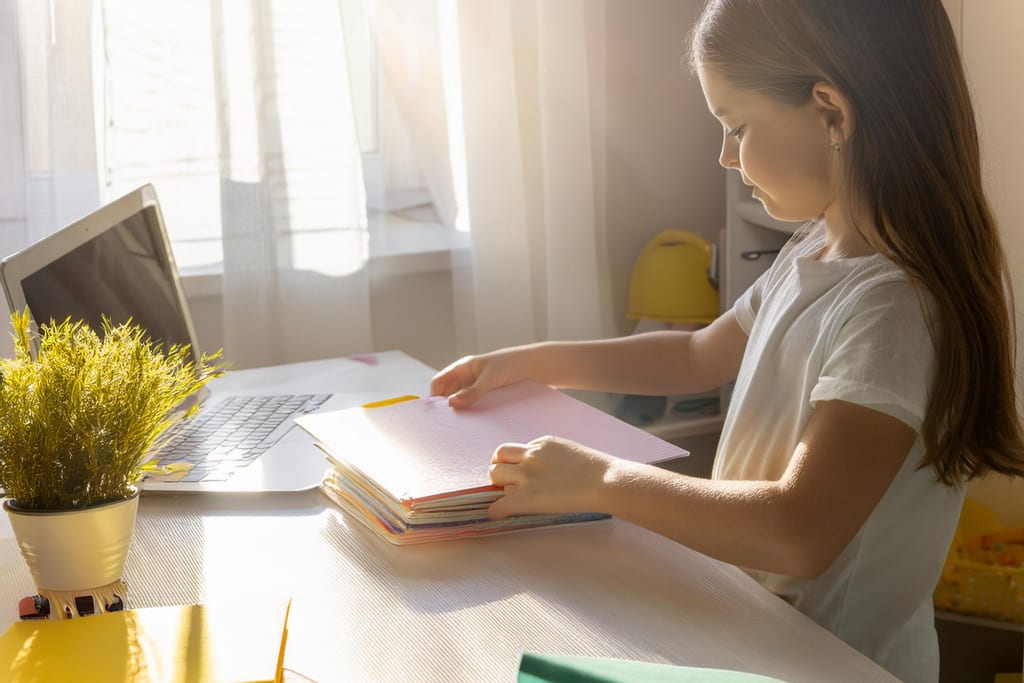
The fountain pen is broken, the glue is empty and the binder no longer closes properly? Regular decluttering gives an overview of the existing school supplies and accessories. What no longer works can be sorted out and, if necessary, replaced.
5. Pack the school bag in the evening
You can practice with your child to take five minutes in the evening to pack the backpack. In the morning rush you quickly forget to pack the right notebook or to finish annoying homework.
6. Print out the timetable and hang it up
After your child has received the timetable and all care arrangements have been clarified and planned, you can print out the timetable and hang it up in a visible place, so that you and your child always know what needs to be taken to school the next day.
7. One color, one compartment
Especially at the beginning, when your child can't yet read what's written on the backpack, it's recommended, to assign a color to each compartment in the backpack. Some teachers also specify a certain color: math is, for example, blue, arithmetic green and reading yellow. With one grab the right folder ends up in the backpack. Once a subject is associated with a color in the brain, this order is maintained for many older children throughout their school years.
8. Work with task lists & checklists
Encourage your children from the start to work with lists. They quickly get used to writing everything they have to do on lists. Then it also becomes much easier for them, to stay structured and tidy in everyday school life.They simply look at the list to see what needs to be done. For younger children it makes sense to use pictures for individual tasks in the school routine
to work with. Later a written list is useful to keep an overview of the to-dos in German, math, English & co.
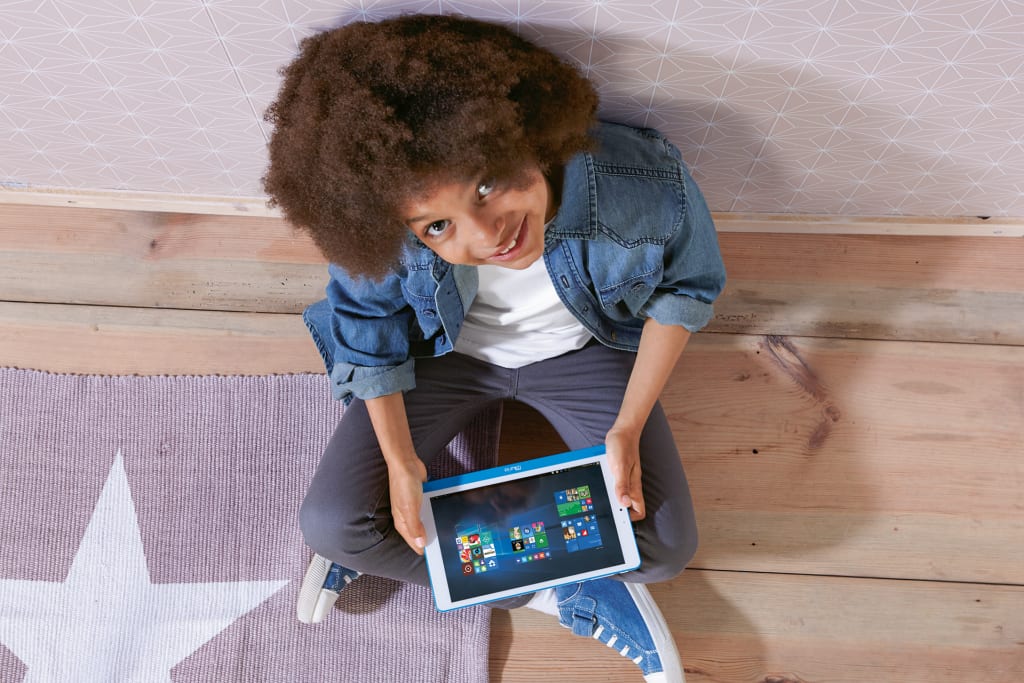
9. Digital tools to organize school suppliesIf your child uses a tablet or a laptop for school, you can also use digital organization and note apps that help your children manage the school day in a structured way. There are many modern tools for school, with which especially older children can work independently
, plan and organize, for example:In free tools like Google Drive
notes, homework, presentations & co. can be stored as documents. Also Microsoft OneNote or Evernote
, plan and organize, for example:are recommended for digital notes. Older elementary students can work independently with them, complete tasks digitally and, if necessary, also plan larger projects in them. Calendar apps
you can enter upcoming appointments with your children. That way they see what's coming up for them in the near future. They learn time management and finally how to enter appointments themselves.
10. How do we organize old school supplies?Sometimes after a few school years old school supplies pile up on the desk or in the children's drawers. It is not so easy to part with some special notebooks, folders or pictures
. Help your children with storage solutions to sensibly organize these old school supplies. You can, for example, work with boxes sorted by school years or subjects. This way you can quickly find important documents that may still be relevant later. If you don't have enough space for this, you can also consider whether you store the most important school supplies digitally with your kids. That way they can access them at any time with the tablet or laptop. Some old folders or notebooks that aren't completely full can also .
be reused for the next school year
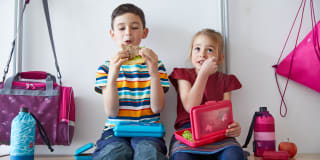
11. Don't forget the lunchbox!Come home, unpack the lunchbox, empty the backpack and pack it for the next day. That takes about five minutes. At the beginning you can practice this ritual together. Eventually it will hopefully work on its own. This way you can prevent half-eaten sandwiches from getting moldy in the backpack. Lunchbox and drinking bottle are even harder to forget if they have an eye-catching design your children like. Great lunch sets
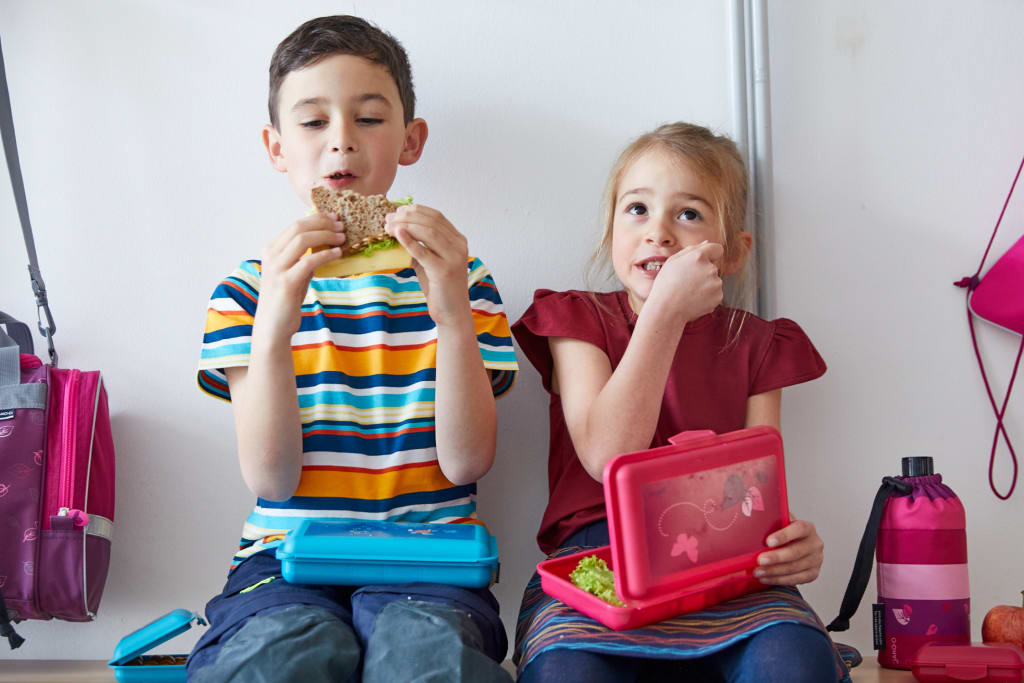
can be found in our shop.
12. Talk to your kids about storing their school supplies!After all, it's also important that you continuously support your children in organizing their school supplies. Talk with them about the challenges and the things they enjoy about organizing. That way you can directly support them with problems