Talk to the teacher
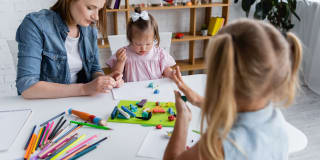
To make the right decision, active communication with the class teacher is especially important. After all, the teacher sees the child daily in class and can realistically assess their learning behavior. They know which knowledge gaps should be closed before the transition and which learning techniques should be practiced. They also know the requirements of secondary schools and can give valuable tips for preparing for secondary education.
Identify the child's strengths and weaknesses
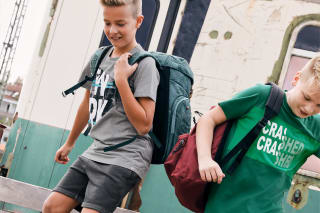
Transition: Before moving to a secondary school, it is worthwhile to assess the child's potential. What should the child be able to do? To get an initial overview yourself, the following questions may be helpful:
How is the child's academic performance?
How are their learning and work habits?
What are their strengths in learning?
Do they have interests and favorite subjects?
Are they in primary school rather over- or under-challenged?
How do they get along with other children (e.g., in conflicts)?
Get to know the possible schools
When transitioning to secondary school, it is highly recommended to familiarize yourself with the different schools. This way you can form a first impression:
Gather information from the school's website
Visit the school building
Ask other parents and children about their experiences
Attend a school festival
Attend an open day
If possible, this introduction should take place together with the child so that they can find out for themselves which school they prefer.
Support the child

The transition from primary to secondary school is an exciting time full of changes for children. Soon there will be new teachers, different subjects and more homework. Learning behavior also has to change and the demands on motivation and concentration increase. Especially at a Gymnasium, much personal responsibility, independent learning and abstract thinking are required from the start. Now more than ever, parents should support the children and encourage them.
Preparation is everything
Every child experiences the transition to secondary school differently. For some it is not a problem, but others are very excited and somewhat insecure. In such situations, it is important to spark anticipation for the new school. Joint preparation is essential. For example, it can help to go shopping for school supplies together with the child. After all, secondary school requires more notebooks, pens, a new pencil case, a larger schoolbag and many other things. This way the child also develops a sense of security and the confidence to start the new school well prepared.