How much should a child drink per day?
Recent studies have found that almost all children drink too little. Although a slight fluid deficiency does not have serious health consequences, children who consistently drink too little are more likely to suffer from digestive complaints, difficulty concentrating, or dry, cracked skin. How much fluid a child needs per day depends on many different factors:
Size and weight of the child
Physical activity
Weather/temperatures
Child's diet
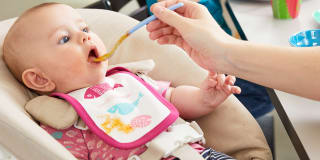
Not all fluid needs are met through drinks: Those who eat a lot of raw fruit and vegetables or soups also take in fluid that way. Highly salted or sugared foods, by contrast, increase the need for fluids. During breastfeeding, babies do not need additional fluids. For the years after that the following guideline values per day apply:
1-3 years: 600–700 ml of fluid
Kindergarten age: 800 ml of fluid
Primary school age: 900–1.000 ml of fluid
From age 10: 1,2–1,4 l of fluid
From age 15: 1,5 l of fluid and more
As long as your house is not supplied via old lead pipes, you can safely offer your child tap water. If in doubt, your water supplier can tell you more about the drinking water quality in your region.
Which drinks are suitable for children?
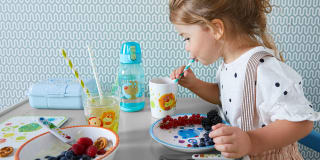
Preferably plain: The best choice are all drinks that contain neither sugar nor sugar substitutes, no caffeine and no other chemical additives, i.e., water and unsweetened fruit and herbal teas. These drinks should always be available at meals and between meals, if necessary with a straw, because that encourages almost all children to drink.
Fruit sugar trap: Pure fruit juices do not contain additives and still contain quite a few vitamins, but they also contain a lot of fruit sugar. In terms of sugar content, a glass of apple juice can quite easily compare to a glass of lemonade. If you give your child juice, you should therefore mix it with water at about a 1:3 ratio. Juices also mix well with cooled mallow or rosehip tea.
Exceptions allowed? Of course there are occasional exceptions to the drink rules: If, for example, all the children at a birthday party get sweet lemonade, you shouldn't forbid your child from having it. What matters is that your child learns a healthy drinking habit from an early age and practices it in everyday life.
How can I tell if my child is drinking enough?
If your child shows the typical signs of dehydration, the fluid deficiency is already very severe. This can happen, for example, at very hot temperatures and prolonged strenuous activity. Children who regularly drink a little too little are usually completely healthy. A sign that your child should drink a little more might be Constipation or frequent stomach aches be. Dark, strongly smelling urine can also indicate a fluid deficiency.
Tips on how to make healthy drinking work
Be a good role model: Choose water, tea or juice spritzers yourself; that way you are not only a good role model but also do something for your own health. If cola, lemonade, etc. are not in the house at all, your child will also not get the idea of asking for anything other than water.
Drinks always within reach: Drinks should be within reach for your child all day long, e.g. in a drinking cup in the child's room and in the kitchen or as a water bottle for on the go. If your child often forgets to drink, you can also introduce regular drinking breaks in which you take a sip together.
Drink with meals too: Especially older generations often believe that children should not drink at meals so that they do not "drink themselves full". This assumption is now considered wrong – moreover, it can make digestion more difficult if there is nothing to drink during meals.
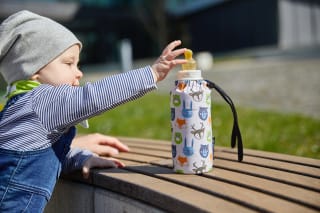
A fun water bottle: A great water bottle encourages many children to drink more. There are a wide variety of models: with special closures, colorful straws or pictures on them. Choose a water bottle together with your child that they like.
Plenty of fresh fruit and vegetables: Drinking enough and a healthy diet go hand in hand: Offer sliced raw vegetables and fruit as a snack, squeeze fresh orange juice for Sunday breakfast and start lunch with a small raw vegetable salad. That way you have already done a lot for a healthy fluid balance.