Tummy pain, wind and co.: typical signs of constipation in babies
As with most adults, babies quickly settle into a routine for bowel movements and frequency – many parents know after the first months roughly when a full nappy is due. It is perfectly normal if your baby doesn’t pass stools every day. Breastfed babies in particular often go several days without needing a nappy change, with no discomfort. It’s equally normal for a breastfed infant to pass stools several times a day. Once your baby’s digestive tract has matured, at around six months, and you start complementary feeding, stools change too. They become firmer, smell different and frequency adjusts. If your baby then has fewer than three times a week bowel movements, you should maybe look out for early signs of constipation:
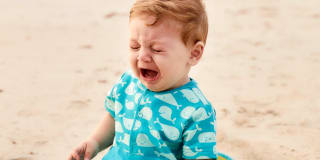
Crying or pain before a bowel movement
a hard tummy, tender to the touch
firm, ball‑shaped stools that only pass with a lot of strain
wind, foul smell
loss of appetite as an accompanying symptom (lack of appetite can, however, have many other causes)
By the way, very loose stool can also indicate constipation – namely when hard stool blocks the bowel so that only liquid stool can be passed.
Gentle relief: what helps babies with constipation
If you notice that your little one has digestive problems, simple home remedies often help to resolve constipation. We’ll show you how to do good things for your child’s gut and relieve symptoms quickly.
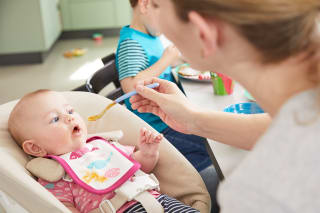
Fibre‑rich foods
Constipation usually appears only once your child starts eating solid foods. The gut has to get used to processing nutrients differently and this can sometimes lead to wind, tummy pain or constipation in little ones. These stool‑softening foods get digestion going again:
finely chopped grapes, pears or plums
dried fruit
plenty of water and unsweetened tea
steamed vegetables such as pumpkin, cauliflower or broccoli
add healthy fats such as avocado or olive oil
flaxseed
a small amount of lactose in yoghurt, carefully dosed
Warmth and movement

If your baby’s tummy hurts, warmth and gentle movement can help. Place a warm wheat bag on their belly or give them a bath. Afterwards gently massage baby oil into the skin, preferably in circular motions. This movement stimulates digestion and helps relieve cramps.
Another tip: take your little one’s tiny legs in your hands and move them as if cycling. If your child can already walk, encourage them to be active on their own. A typical digestive walk already helps small kids.
If you notice your child wants to push, help by placing their feet against a firm surface. Also loosen the nappy so the tummy is free. That makes the process noticeably easier.
When should you take my baby to the paediatrician for constipation?
Many worried parents will probably ask themselves this question. In cases of severe constipation a medical intervention may be necessary. Before you give your child laxatives you should speak to a paediatrician first. If your little one is uncomfortable for several days and you cannot relieve the constipation with home remedies, it is advisable to contact the paediatrician's practice. You should also seek medical help in the following situations:
if the stool is an unusual colour, such as white or red
in case of persistent and long‑lasting digestive problems with abdominal pain
if there are inflammations in the nappy area
if there is loose stool accompanied by constipation symptoms
if your baby is clearly in pain that does not ease easily
Causes of constipation in babies: How to prevent it:
In the vast majority of cases constipation is related to diet. But infection, teething, stress or medicines such as antibiotics can also cause discomfort. Of course the best thing is to avoid the problem in the first place. A balanced diet for your child with adequate fluids and plenty of exercise is the best prevention. Make sure meals contain enough — but not too many — fibres and give your child sweets only in small amounts. Also note the following:
If your baby is exclusively bottle‑fed, you should never use more powdered milk than stated on the pack. Too much powder with too little liquid can lead to constipation in your baby.
Particularly hard (high‑mineral) water is not suitable for preparing bottles — either boil it first or use a low‑mineral mineral water suitable for baby food.
Avoid constipating foods as first solids. Introduce carrots, bananas, rice or white bread only slowly and mixed with other foods.