The social life of bees
Like ants and wasps, bees belong to the order Hymenoptera. The bee family is divided into honeybees and bumblebees. What's particularly interesting is that bees live together in a large colony. There is a queen and only she lays the eggs from which the offspring hatch. Besides a few male individuals (the so-called drones), a bee colony mainly consists of worker bees with various tasks. During her life, a worker performs new tasks again and again depending on her age.
Distinctive features of bees
At the beginning of her life, a bee takes care of the comb cells and prepares them for the queen's eggs. Then she becomes a nurse bee and feeds the larvae (= bee children) with nectar. Later she can produce wax with the glands on her abdomen and build combs. There are also guard bees, which protect the beehive from foreign intruders and foragers, which fly out to transport the sweet plant juices in a honey stomach to the beehive.
What's particularly interesting is that the foragers use special dances to indicate which direction food sources are. There they regurgitate the nectar and it is taken up by the bees in the hive. They process the nectar in their honey stomach and bring it to the combs to deposit the ripe honey there. The honey is used as food for the larvae and at the same time it is the bee colony's winter supply.
Bees are important for the environment
Beekeepers can harvest a small part of the honey: To do this they take the combs out of the beehive, remove the wax layer from the combs and carefully spin out the honey. A special extractor machine is used for that. And then all sweet-toothed people can eat a honey sandwich. But bees and other insects are above all important for agriculture and wildflower plants: Because fruit trees, the grain in the fields and all other plants need the bees for pollination. Because when the insects take the nectar from the flowers, they distribute pollen from plant to plant. This is important so that these can then bear fruits such as apples, strawberries, wheat and other grains.
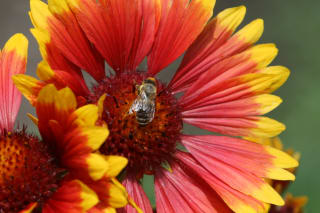
Irreplaceable for our environment
Unfortunately, the bee populations have been in danger for years: On the one hand, the Varroa mite is spreading further. It infests the larvae of honeybees and feeds on their blood. In doing so, the mite transmits pathogens that can be deadly to bee colonies. Some of the agents that farmers use for plant protection are also dangerous. Some pesticides disrupt the bees' sense of orientation, so that they do not return to their hive. This results in the queen and the larvae lacking food and the bee colony dies.
Helping endangered bees
Anyone who wants to do something good for bees can offer them a buffet of flowers and other insect-friendly plants to offer. There are a number of plants that bees, but also bumblebees or butterflies like: savory and lavender not only look nice but can also be used in the kitchen as culinary herbs. Also herbs such as basil, oregano, sage, rosemary and mint are liked by bees. So if you maintain a herb spiral in the garden or a herb pot on the balcony, you not only have fresh greens for cooking, but also do something for insects.
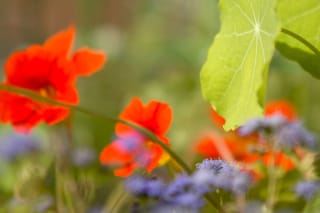
A particularly nice plant for a children's garden bed is nasturtium: It grows quickly, blooms from July to October and you can eat both the leaves and the flowers in a salad – although the leaves taste somewhat peppery. And of course bees, bumblebees and butterflies also like all other flowering plants: forget-me-nots, bellflowers, sunflowers, snapdragons, strawflowers, marigolds, mallows and carnations – whoever puts different plants in their beds, tubs and pots thus literally sets a rich table for the insects.
Gardening with Children
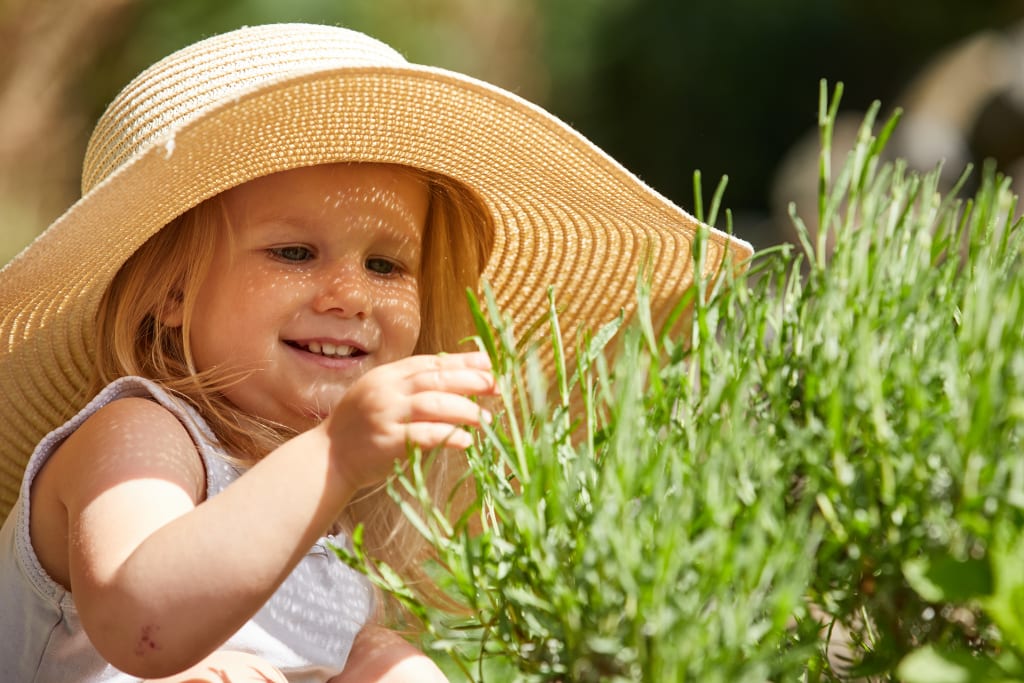
In joint garden projects, children can observe bees and learn more about them. The little gardeners are thrilled when they can help out. And they're even more excited when they can grow their own plants and see them thrive. Vegetables such as carrots, cucumbers or kohlrabi, or fruits such as raspberries, blueberries or gooseberries can be grown together with the children. But flowers like sunflowers or herbs such as basil are also excellent for garden projects with children. And the bees are happy too!
Games & crafts about bees
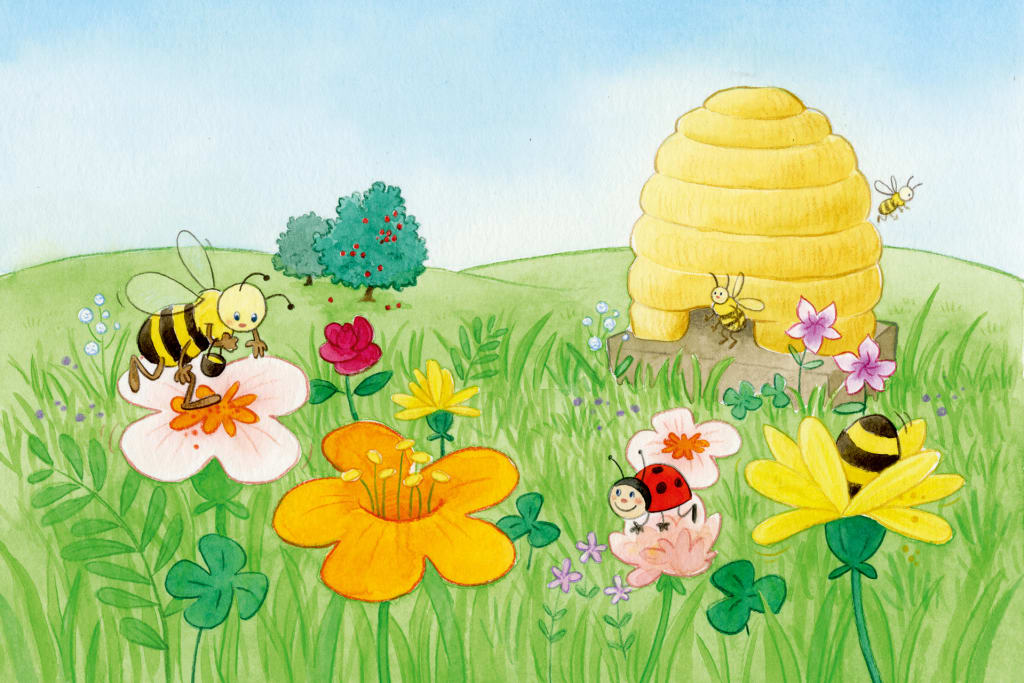
Children also learn a lot about bees through play. A popular classic for children is the Hanni Honeybee game. In the dice game, the children take on the role of Hanni Honeybee, who diligently collects nectar in the meadow and brings it to the beehive.
You can also do crafts with children about bees. This is especially suitable for Bee Day on May 20th. In our shop you will find craft kits with instructions for bee window decorations and small insect hotels.