Not keen on sport? How to add more movement to everyday life
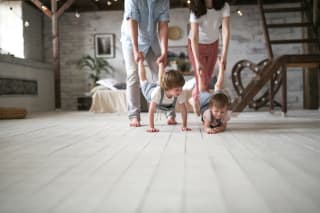
Walk or cycle more often
Turn the daily journey to kindergarten and to the shops into a short walk or a bike ride. Your child gets exercise and even on the shortest route there’s plenty of interesting things to see and discover.
Incorporate movement into the daily routine
If you include short bursts of activity as a natural part of everyday life, most children don’t even realise they’re doing 'sport'. A family walk after lunch, dancing to favourite music or half an hour of ball games in the garden are for many children simply time spent together and they enjoy it all the more.
Children's gymnastics — a classic
In children’s gym groups they don’t do just gymnastics – usually playing and climbing on various pieces of equipment, with balls, ropes or other accessories are the focus. These are often open groups that parents and children can attend as they wish.
Encourage movement with child-friendly incentives
A Bobbycar, a tricycle or a balance bike will usually motivate most children to move by themselves. Almost all of these vehicles can easily be taken outside, where 'zipping about' is even more fun. Sports equipment such as inline skates, a football or a trampoline are great incentives to try new things. It’s important not to leave little couch potatoes on their own. Take an interest and help them learn the new movements, and don’t forget to praise achievements appropriately.
Make use of trial sessions
Many sports clubs or schools offer free trial sessions, so children can try out a sport once or twice to see if they enjoy it. For popular sports like football, dance, swimming or riding there are often groups already for the very young.
Checkliste:
How you can motivate your child to be active:
Just play: It doesn’t have to be team sport or athletics – any form of movement is good for children, even if they play tag in the garden or run wild on the playground
Consider interests: Some children like to run, others love the water, and others prefer moving together in play – find out what suits your child
Give support: It doesn’t always fit well into your own schedule if the child has to be driven to football training or to the swimming club and collected again. Still, you should support your child’s sporting interests as far as possible
Join in yourself: When parents lead by example, that is enough motivation for many children. Playing football together, cycling or a long walk in the woods is also valuable family time
No lofty goals: Sporting achievements should be in the background – the important thing is that your child enjoys moving and can exert themself according to their abilities
No nagging: Avoid lectures about how healthy sport is or that your child needs exercise. Rough-and-tumble in the garden or suggestions in the form of a new ball or a pair of inline skates usually work more effectively.
More articles about leisure & creativity





Image credits
Parents holding children by the feet © natalialeb - stock.adobe.com