“The Christ Child brings the presents!” says Elise. “No, Father Christmas!” replies Felicitas. The girls are sitting in the kindergarten among the picture books in the cosy corner and simply can’t agree. “Yes, exactly!” says Lilli. “Last Christmas we still lived in Washington and Father Christmas came with his reindeer sleigh.” “And then there’s also Saint Nicholas,” adds Imke, who is sitting next to Lilli. “I like Saint Nicholas too,” says Elise, “but at Christmas it’s definitely the Christ Child who comes!” Felicitas gets cross, jumps up and stamps her foot on the floor.
“Children, shh, don’t argue,” calls kindergarten teacher Nina. She goes into the cosy corner and sits down beside the girls. “Felicitas, come and sit next to me and then we’ll talk about the different Christmas customs. Because you know what, children? Who brings presents during the Christmas season and when they’re opened varies — depending on where you live.” “Really?” asks Felicitas. She can hardly believe it.
Nina calls the other children together too and everyone makes themselves comfortable in the cosy corner. Then she begins to tell them: “In the old days, back when there were knights in the Middle Ages, Germany only had Saint Nicholas. People would put boots or a plate out on the evening of 5 December and then find nuts or apples there the next morning. In some regions that custom has survived to this day.” “Yes, that’s exactly how I do it!” calls Elise. “Yes, that’s true!” Felicitas has to admit. “But Saint Nicholas doesn’t bring Christmas presents,” she adds stubbornly. “Not any more,” explains Nina. “It used to be different. The story of how the Christ Child came about is a bit complicated. In any case, today the Christ Child is above all the gift-bringer in southern Germany and in Austria, whereas in northern and eastern Germany and in many other parts of the world people are more likely to believe in Father Christmas. He doesn’t look the same everywhere either; in France, for example, he wears a red cloak with a pointed hat.” “But in the USA he wears a red jacket and trousers. And he rides in a sleigh pulled by reindeer,” Lilli says. “Father Christmas goes from house to house on the night of 24 December, slips down the chimney and leaves the presents. My American friends and my brother Steven, my parents and I always opened them only the next morning.”
The girls are amazed. “Really? In the USA do children only open the presents on the morning of 25 December?” asks Imke. “Yes,” confirms Nina, “and here in Germany when are the presents opened?” “On Christmas Eve!” the children shout. Nina smiles: “Of course you know that. But imagine: in Spain children used to have to wait until 6 January for their presents.” “Why’s that?” Elise wants to know. “In Spain it is traditionally the Three Wise Men who bring the presents. Children leave out water and bread on the evening of 5 January and then find presents the next morning, on 6 January.” “That’s almost like our Saint Nicholas!” exclaims Imke.
Nina nods: “So you see, traditions are very different and everyone may celebrate Christmas as they like. In other regions of the world or among people of a different religion Christmas is celebrated in a completely different way again. In China, for example, the New Year festival is much more important than Christmas. But I have an interesting story for you,” says the teacher and tells them: “In Italy, in some towns and villages it isn’t the Three Wise Men who come, but the witch Befana.” “What, a witch?” asks Matze in surprise. “Witches have nothing to do with Christmas!” “But in Italy they do. I’ll find the story and read it to you tomorrow,” promises Nina.
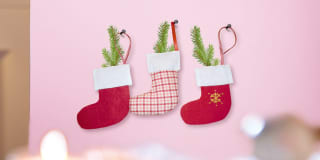
“That’s quite a Christmas muddle!” cries Felicitas, hopping up and down on the cosy cushion. “Christmas muddle! Christmas muddle! Christmas muddle!” she sings. Elise and Lilli immediately join in. “Stop, you silly hens. That’s enough jumping about now,” laughs kindergarten teacher Nina. “You may romp about outside in the garden for a while and afterwards we’ll make Saint Nicholas boots out of felt.” “No, no, no… not Saint Nicholas boots,” cries Felicitas. “I’m only making Father Christmas boots!” she giggles. “But Imke and I are making Saint Nicholas boots, right?” asks Elise and runs after Felicitas. “Well, Felicitas shouldn’t be surprised if Saint Nicholas doesn’t bring her any chocolate. He doesn’t like cheeky children!” says Imke, shaking her head. “Saint Nicholas is generous and Felicitas isn’t always cheeky,” says Nina, winking. “Felicitas isn’t always cheeky? Really? I hadn’t noticed that at all,” giggles Lilli, looking forward to the German Saint Nicholas.
Saint Nicholas–Father Christmas Boot Instructions
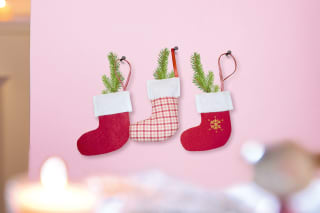
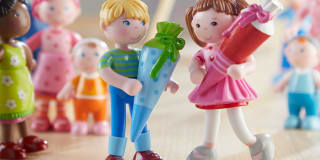
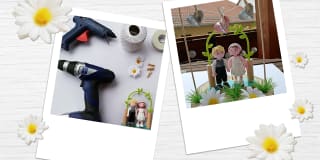
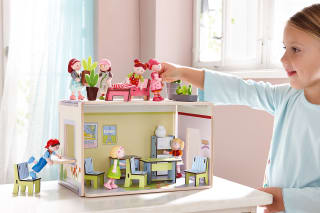
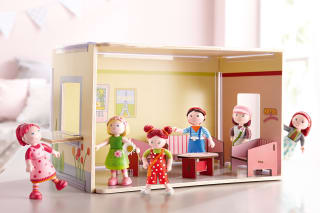
If you’d like, you can act out the story with the Little Friends dolls or make felt boots. For that there’s the Saint Nicholas and Father Christmas boot instructions craft, which shows step by step how it’s done.