Facts about fear of the dark
Childhood fears are normal:
Almost all young children are afraid of the dark. These fears are irrational but part of normal childhood development. Less often, the fear is so pronounced that it leads to panic attacks. By the age of eight or nine it usually passes.
Achluophobia:
This is the medical term for fear of the dark. It includes fear of the darkness of night as well as fear of dark rooms and places.
Transition to a phobia:
Many adults also avoid dark basements or are reluctant to go outside at night. In some teenagers and adults, however, the fear of the dark can have phobic characteristics and must be treated therapeutically so it doesn't become a limitation for the person affected.
Where does the fear of the dark come from?
All parents who regularly search the child's room for monsters before bedtime or have to check the windows three times to make sure no werewolves and witches can get in know: the fear of the dark is actually a fear of one's own imagination. Like all unknown or hard-to-penetrate things, darkness causes uncertainty. Especially in children, this stimulates the imagination: What is hiding behind the curtain? Why is the tree in front of the window moving so oddly? Wasn't there a noise?
Traumatic experiences as a cause?
If the fear of the dark in children is very pronounced, then a particular experience may be behind it. Panic about the dark can also be unconsciously suggested by the parents, for example when they automatically assume that their child is afraid of the dark or when they consistently avoid all dark places and situations. In this case, the fears often persist for a very long time because they are less intuitive and more 'learned'.
Good night: How can I overcome the fear of the dark?
Very important: Don't lose patience
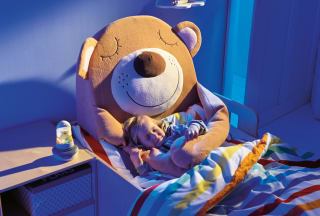
When children suddenly develop a fear of the dark, getting them into bed can become a marathon. After an already tiring family day, this additionally strains the parents' nerves. Nevertheless, you should try to remain calm and show understanding. For your child, their fears are completely real. Dismissing them as nonsense or not listening could severely shake your child's trust. Let your child tell you calmly what they are afraid of and try together to find out how best to deal with ghosts and scary figures. Provide a calm, familiar atmosphere at bedtime. Maybe you can read a story that addresses fear and courage. But most important is patience, because then the chances are good that your child will outgrow the fear of the dark on their own after some time.