
















An important foundation for health
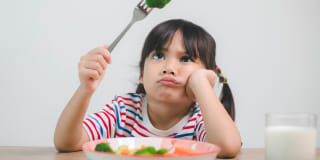
Children who eat a healthy, balanced diet, are generally fitter. Their bodies receive all important nutrients and have the energy needed for learning, running around and playing. Your child will actively give you signals about how much they need to eat and drink. Often there are discussions at the kitchen table about, when a child doesn't finish their meal. Parents should be empathetic here – because children themselves know best how much they want to eat and what their body needs. A child who is particularly active needs correspondingly more and larger meals than a child who does not expend as much energy.
Parents should ensure that Eating and physical activity are in balance with each other. This helps the child develop a healthy relationship with food. It also prevents overweight. Poor nutrition can cause problems in addition to overweight. Children who do not eat a balanced diet are also more stressed, may have more difficulty concentrating and have less endurance.
Current nutrition topics
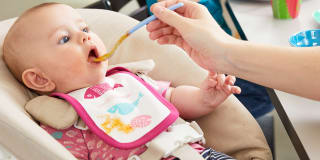
Many parents nowadays look online for information about, which diet is best for their child. How do I cook baby food myself? What healthy snacks can I pack for my child for school? And what benefits does a vegetarian diet offer?
Great tips and advice on these and many other questions about nutrition & meals can be found here in our online magazine.