The right hobby
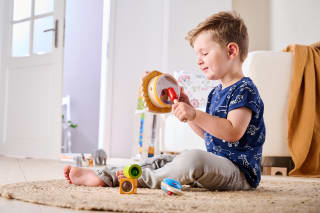
Crafting, playing soccer, learning an instrument, exploring nature or fitness – the range of leisure activities that children and adolescents can pursue today is unlimited. A hobby can be defined as a favourite activity or pastime that a person pursues intensively and voluntarily. Especially music and sports groups are important for children's development. Music promotes, for example, cognitive as well as emotional development, while sport has a positive influence on children's motor skills. Incidentally, children also learn to be reliable and to take on responsibility. First and foremost a hobby should be fun. Furthermore, it should – educators and developmental psychologists advise – encourage children but not overwhelm them. And above all, it's not about what the parents want. Just because mom likes to ride doesn't mean the daughter has to like it. And sending an unmusical child to piano lessons every week is also not very sensible. But how do children know what they enjoy? A test to awaken interests can provide the necessary initial spark. Many clubs offer taster sessions in which the child can get a first impression. Usually it quickly becomes clear whether a child enjoys a hobby or not.
Growing through the hobby
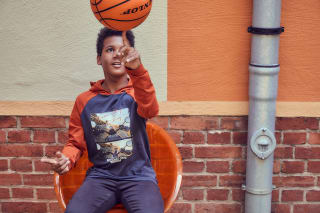
If your child has chosen a hobby, equipment for it can be acquired gradually, for example for birthdays or Christmas. Pursuing a hobby requires perseverance, but it also promotes your child's self-awareness and self-competence. Mastering an instrument little by little, acquiring artistic techniques step by step and pursuing a sport seriously allow your child to grow personally. No matter which activity your child pursues – almost always it is social skills that are especially fostered through active interaction in a group. On the one hand people measure themselves against each other, but at the same time learn from one another. And above all: pursuing a goal together.
Too many hobbies are counterproductive
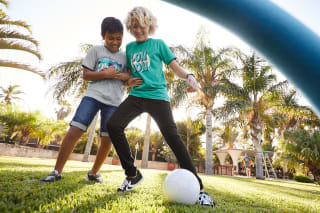
Despite all the enjoyment of leisure activities, school must not be neglected. Therefore a child should not take part in too many hobbies, because these are supposed to serve as relaxation and a counterbalance to the strenuous school routine. Too many extracurricular activities overwhelm children and become a significant source of stress. This of course also affects concentration, for example in class, and not a few children neglect their homework due to lack of time. This can have negative consequences such as loss of appetite, exhaustion, irritability, sleep disturbances, stomachaches and headaches. Truly free time is therefore essential for the physical and mental regeneration of children.
More articles about leisure & creativity





Image credits
little girl and her older sister enjoying a pony horse outdoors on a ranch © hedgehog94 - stock.adobe.com