Why do children need nature?
Develop self-confidence:
When playing in nature, children have to be more attentive than in most other games. They learn to better assess different situations, for example the height of the tree stump they want to climb. They may sometimes fall and hurt themselves. However, this makes them more independent and builds self-confidence.
Free play: In nature children have fewer constraints on playing:
They simply do what they want, explore their surroundings, and can engage with it for as long and as intensely as they enjoy.
Creative & imaginative:
When playing outdoors, children rarely bring toys. But they can make swords from sticks or imagine a small castle standing between the trees. This not only promotes creativity but also imagination.
Stay fit:
Children need exercise—preferably in the fresh air. Those who are indoors all day or just sit become lazy quickly and tend to gain weight. Outside your child can romp to their heart's content and really let off steam. This keeps your child fit and agile.
Where can I discover nature in the city?

Parks:
The classic among natural spots in the city. In every large city there is at least one big park. Often there is also a nice lake. On a walk or a picnic, your child can explore the nature around them.
Outside the city gates:
Often it's enough to go just beyond the city limits into nearby villages or forests. From time to time there are even specially laid-out walking paths that pass by great natural points and teach children about plants and animals in a playful way.
Allotment garden association:
An allotment garden association still conjures up the image of a gnome on a neat lawn for many people. However, small gardens are very popular, especially with young families. Maybe look for a free plot near you where you can create beds with your children and plant flowers or vegetables. Here your child can inspect all kinds of insects and animals attracted by the colorful flowers.
Sowing and planting:
If you don't have the opportunity to take care of a large garden at home, you can start a small plant cultivation with little means. A few tomato seeds or cress in a pot on the windowsill and your child can watch from the very beginning how the plants grow—and taste the delicious results. Even small areas in front of the house can be planted, e.g. with sunflowers.
Set up feeding stations:
Especially in winter, small feeding spots on the balcony and in front of the window are excellent for attracting urban wildlife. This way you and your child can not only feed birds or squirrels with the welcome seeds, but also discover which animal neighbours you have.
Tips for the city – How to bring your city child into nature
Trust:
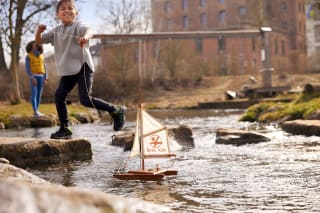
Depending on their age, you can also allow your child to go on an exploration tour alone. For example, you can visit a park where your child may move freely. Under adults' watchful eyes, children will never play as freely or try as many things as they actually want or should. Trust your child to look after themselves sometimes.
Getting dirty is allowed:
When playing in nature there is dirt and mud. That quickly ends up on clothing. The experiences your child has are, however, more important than any piece of clothing.
Go on exploratory trips:
With an appointment in mind we often rush through the streets without seeing how much nature is around us. Take time now and then to explore the surroundings. That way you will probably discover something new even on familiar routes.
Small spots are enough:
It doesn't always have to be a large park to discover nature in the city. Look around and you'll surely find a green patch or a tree where urban animals like birds or squirrels live.
Read the latest articles about everyday family life








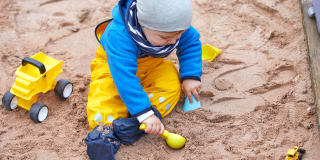
Image credits
Children playing in the sandbox © Westend61 - stock.adobe.com
Children and man playing basketball © liderina - stock.adobe.com