Our production
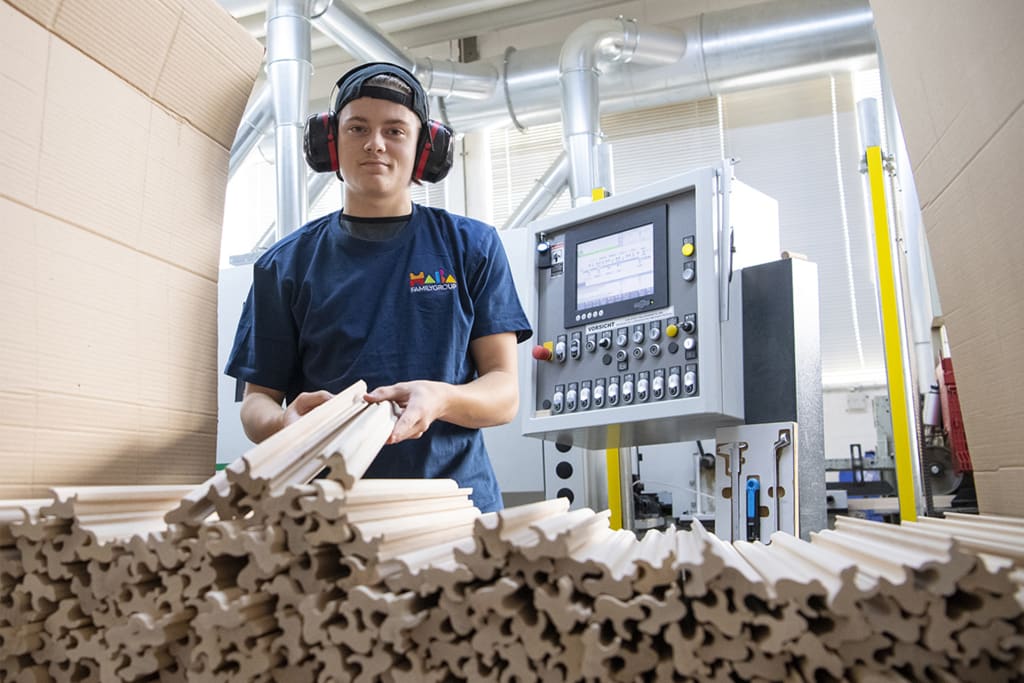
HABA's roots are in Germany – just like those of most of the trees we process into marble runs and building blocks, figurines and dice as well as many other toys for babies and toddlers.
As was already the case when HABA was founded in 1938, most wooden toys are manufactured at our site in Bad Rodach in Upper Franconia. Here many wood machinists, turners, painters, toolmakers and a whole lot of other employees ensure that boards become toys, that make children's eyes light up.
Yesterday still in the forest, tomorrow already in the children's room
Everyone has seen them at some point: beech, birch, maple, linden – these are the trees whose wood we turn into toys and furniture processed, always colorful, high-quality and sustainable.
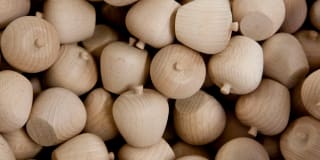
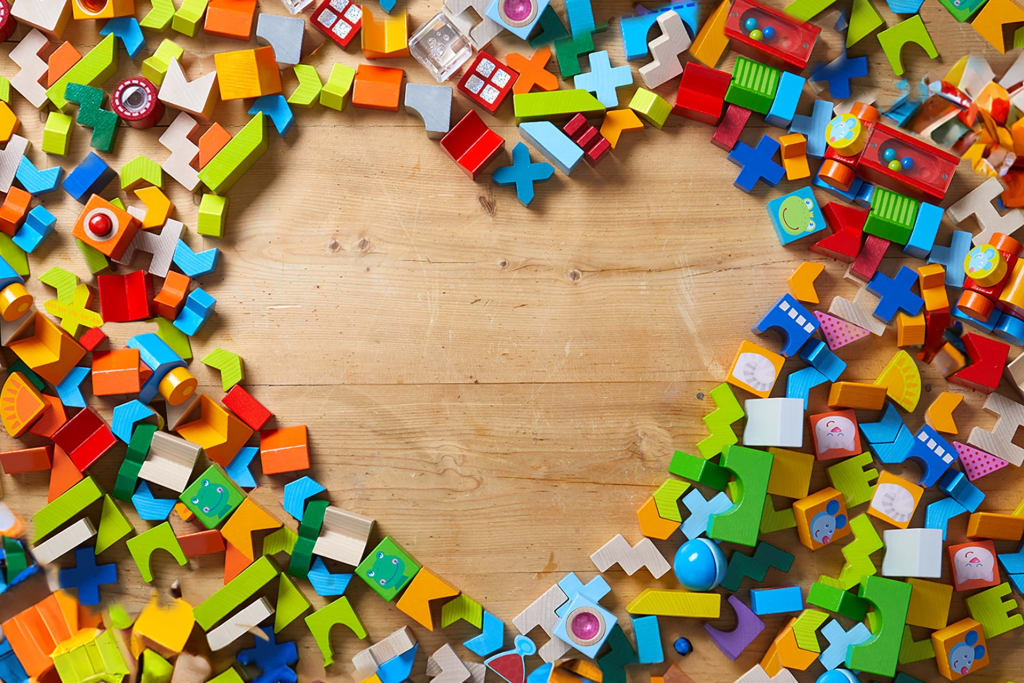
Beech wood is light brown, very hard and versatile. Our product range already shows this: the figures of our play worlds, the HABA marble runs and building blocks, many grasping toys and pacifier chains as well as the figures of our board games are all made from beech wood. It is easy to work with and grows in the forests around our company site.
birch wood in turn, we mainly use it for our furniture accessories such as lamps or coat racks. The light wood is used either solid or as veneer panels, which are then cut and further processed in our carpentry.
Maple is considered one of the most valuable hardwoods. The light, hard wood is easy to turn and is therefore used for the HABA grasping toys that contain an arch. In addition, our carpenters occasionally also work with linden wood, especially for children's room-accessories.
Our production – an example
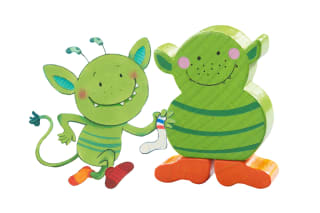
How does a piece of beech wood become a sock monster?
In the toy production at HABA almost every day a truckload of beech wood arrives. The first stop is the drying chamber, then it goes on to the toy production. HABA employees examine each piece of wood closely, saw it and assign the pieces to the different areas of toy production. So that from the beechwood strips play figures like the funny sock monster from the game Sock Game play come into being, some production steps are necessary.
First, production requires the technical drawing, which is based on the designer's draft. It serves as the basis for manufacturing special milling heads. These cut the outer shape of the sock monster into the wooden strips. The resulting profiles are then sawn into slices and sent for sanding to smooth the edges and surfaces.
Little Sock Monster – Big Machines
How does the Sock Monster actually become light green? And how does it get its cheeky face, its dark green stripes and the orange feet? After the beech wood parts have been sanded, they go to the paint shop. There are many color drums there with water-soluble paints in different shades. In the drums, the unlacquered wooden parts are allowed to take a color dip. Then the light-green bodies are pushed individually by staff into a special fixture on a large stamping machine.
In a single operation the indentation is stamped into the wood and the color is applied. This is how the Sock Monster gets its funny face, the pink cheeks and the dark green stripes on its belly. The orange feet are dyed individually and then glued to the body using dowels … and the Sock Monster is finished. That is pretty complicated! Now the remaining game components can be placed in the yellow boxes. This also happens by hand, because the contents of each HABA game are different and usually consist of wooden and cardboard parts. Only then is the game ready for shipping — and provides plenty of fun in the children's room!
Custom woodworking
Would you like play items, decorative pieces, or craft materials made of wood custom-made? We are specialists in wooden play materials and are happy to manufacture individual wooden parts exactly to your specifications!