


Well organized for everyday school life
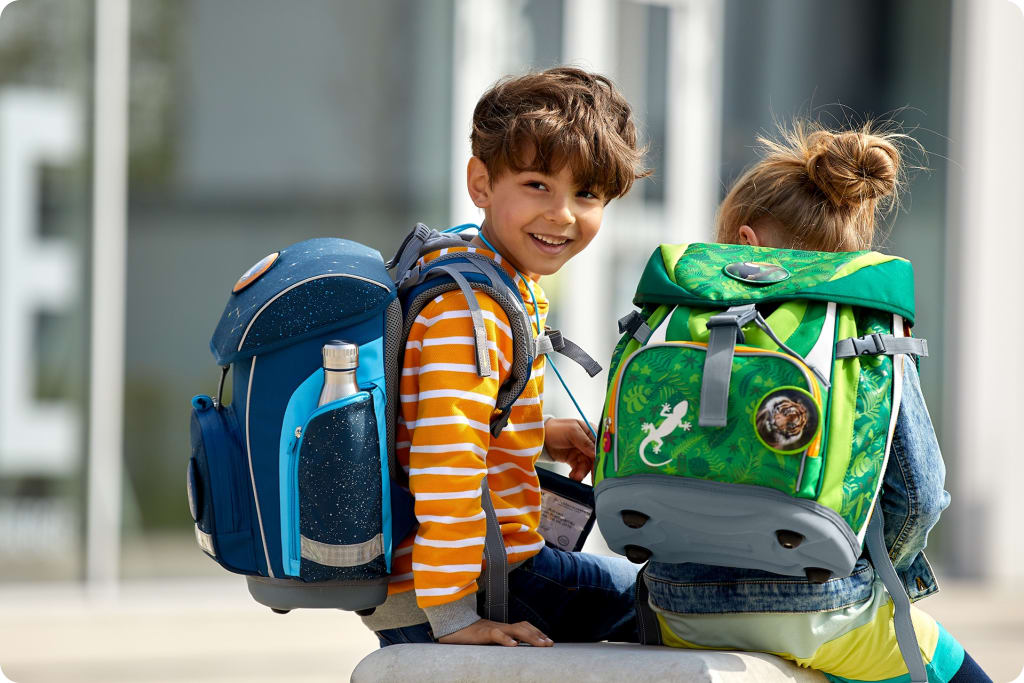
Who starts the school day well organized, they can better concentrate on school. At first, parents will of course help, but if children learn from the first year of school to organize their school supplies sensibly, it will soon become a habit.
Packing the school backpack
Schoolchildren need a well-fitting school backpack. This is important to prevent back problems. An ergonomic school backpack has padded straps. This distributes the bag's weight evenly across the child's back.
The trick when packing the schoolbag is that kids should take as little as possible each day, but everything they need for the school day. That sounds simple, but especially at the beginning it's not so easy for children to judge what they need on a school day and what they don't.
Therefore, the schoolbag should basically be packed anew every evening, so that your child doesn't take too much weight to school. At the start of the school time you can check together with the schoolchildren whether everything needed is in the schoolbag. Or whether there are things that don't necessarily have to come along. This relieves the child's back and creates order in the backpack!
Getting & organizing school supplies
Drawing pad, math notebook, pencil case and gym bag – for each school subject children need different supplies. In some primary schools, lists of required school supplies are handed out at the start of the school year.Other parents use lists for school materials from the internet and supplement them as needed. The least stress comes from buying the school supplies, when you plan enough time and preferably shop at the specialist store, where you can get everything at once. Find out more about organizing school supplies here
.How can school supplies be better organized? The argument about tidying up is common in many families and does not stop at school supplies. If empty lunch boxes, loose notes or ragged exercise books are flying around in the schoolbag and the child's desk is overflowing with art supplies and books, learning doesn't necessarily become easier. Practice with your child from the beginning to bring order to their school suppliesto better organize school suppliesFind out more about organizing school supplies here
Supporting children in learning
Supporting children optimally avoid learning frustration? Here are a few tips:
Supporting children in learning to read: The real foundations for learning to read are laid already in the toddler and preschool years: Read to your children often, talk and sing with them. They learn to recognize different sounds and syllables. This automatically trains their language comprehension. Later it's about recognizing letters. For example, by deciphering street signs together or writing their own name. More about learning to read with children.
Learning to write and practicing with children: At the beginning is the ABC, which children learn, for example, with magnetic letters, games, songs or rhymes. When they know the ABC well, they can trace the first letters or arrange them with objects. This is a playful introduction to the world of writing that many children enjoy. If that works well, pre-writing exercises, to practice writing. Later you can assign your children small writing tasks
Math in everyday life with children: Like language, math constantly surrounds us in everyday life. To practice the counting with your kids, you can now and then give them small counting and later arithmetic tasks. How many flowers do you see in the raised bed? How many steps is it up the stairs to the children's room?
Problem-solving skills are required in school in all subjects. You can also practice these with your children. For example with learning and educational games, in which they solve many puzzles, puzzles or small everyday tasks that you set them spontaneously: How can a stable tower be built with the wooden building blocks? What can the princess in the fairy tale do to rescue her prince?
Help with homework
Should I help my child with their homework? Homework is a contentious topic in many families. The main arguments are about when it should be done and especially how. Sometimes children only reluctantly accept parental help with homework and react defiantly. Other parents get so involved with homework that hardly any learning effect remains for the child.We tell you when it makes sense to help your child with their homework.
Homework supervision for children
If homework repeatedly leads to conflicts or if there is no time in everyday life to do homework together, then homework supervision can help. Here, not only is attention paid to ensuring that the students complete all outstanding tasks on time and in full, in an ideal case the children also learn structured work methods and deepen their knowledge..
Here you can learn more about homework supervision
When is tutoring useful?Tutoring seems to be part of everyday school life today: A quarter of all schoolchildren receive tutoring regularly or occasionally in demand. Not always is there a real need, because for some parents tutoring is simply a way to further improve their children's grades. When tutoring is useful and what parents should pay attention to when choosing the form of tutoring, .
read about it here
What to do about learning difficulties?Some children struggle to learn to read, others fall behind the rest of the class in math, still others have fundamental difficulties concentrating in class. Learning difficulties are relatively common and yet very individual. The top priority is, not to put yourself under pressure/magazine/childcare-school/school-learning/motivating-children-to-learn.
can be found here
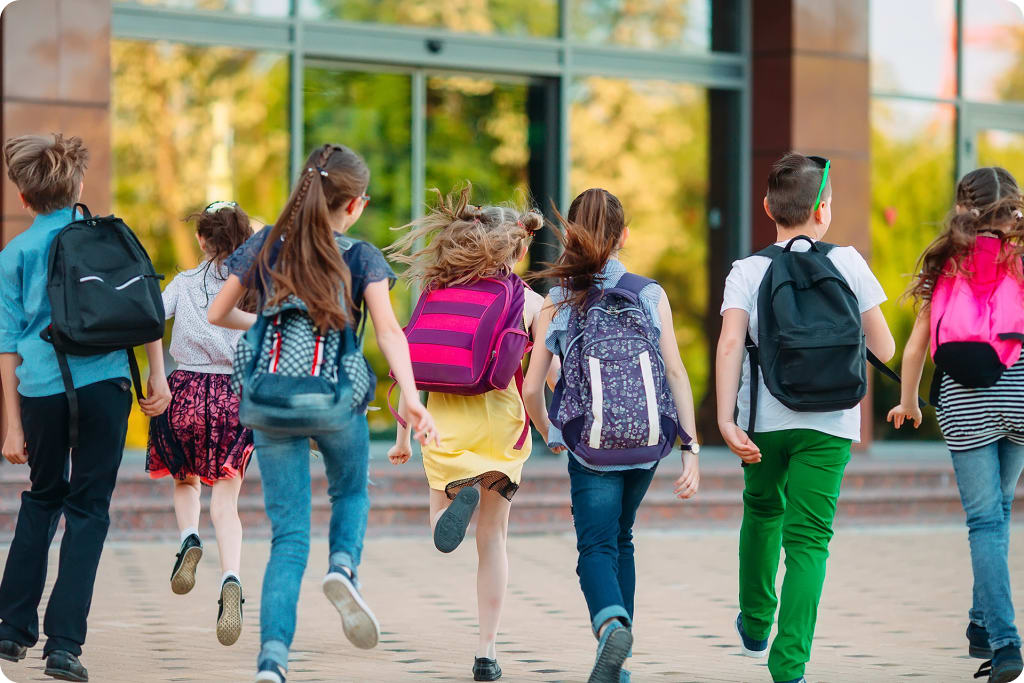
How can I keep my child safe on the way to school?The trip to kindergarten is usually still taken with mom or dad, but after starting school, many children go to school alone for the first time. That's a good thing, because it promotes independence and self-confidence
. Nevertheless, you should not send your child completely unprepared on the way to school. We recommend this preparation:Depending on whether your child goes to school on foot, by bike, or by bus, you can .
practice the route together
Also explain to your child the most important rules for the route to school.Especially in the winter months, when children are more often out in the dark/magazine/childcare-school/school-learning/reflectors-for-children.
Read more tips for a safe route to school in the dark hereIt is also advisable, to memorize emergency numbers with your children, in case something happens on the way to school or they get into an emergency situation
.
Finally holidays – a well-deserved break or time to catch up?Not only schoolchildren long for the holidays. Many parents also look forward to the break from homework, letters from school and getting up early. The holiday period is primarily a time of rest and relaxation. For travel and family time. Because children also need a break from everyday school life and want to spend time with the family and unwind. This is important for their mental health. During the break they can recharge their energy, broaden their horizons on shared trips and prepare for the coming school year.
Depending on school grades, some parents also ask during the holidays: Is learning during the school holidays necessary? Tutoring or learning courses during the holidays can quickly spoil the mood and put children under unnecessary pressure. On the other hand, in everyday life there is often little time to effectively catch up on a learning backlog. In any case, you should involve your child in the decision for or against holiday learning. Maybe your child may even want to review some material themselves, to start the next school year without problems. But make sure that your children still have enough time for leisure and relaxation during the holidays if they need to study.
What to do about boredom during the holidays?
. A new subject, maybe a foreign language, is being added? Great, then they will be well prepared for the journey in the next summer holidays!.. In the magazine we have compiled useful information and tips about school and care for you.Some children look forward to the holidays for weeks, and when it's finally time, they sometimes sit at home on some days and don't know what to do with themselves
.Of course boredom is perfectly normal from time to time and can even stimulate the imagination. But if your child has absolutely nothing to do, misses their school friends and complains, we have a few tips on what you can do about boredom during the holidays: See if there are in your town
holiday activities for your children are available. Together with other children, you can explore nature, do crafts or play. That's great fun! In many places there are lots of such offers. Check your municipality's website or social media channels for their program.
Plan an outing: You can go camping with your children, explore a nearby park or forest, or attend cultural events. During the holidays, museums or theaters offer many child-friendly events that are great fun. You can also start a
small craft project, that fits the season. Window decorations with bees in summer, pumpkins in autumn.
Suitable craft materials
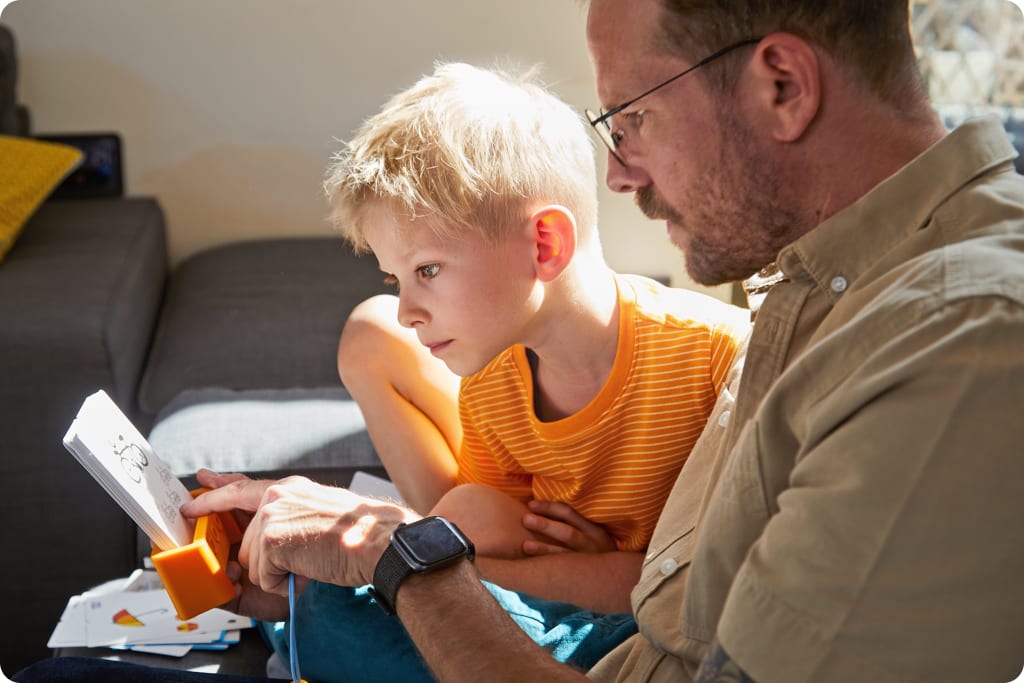
with instructions can be found in our shop. Host a game night with your children: The anticipation for a big family game night is high. Choose tricky games that your children don't know yet and that will excite them! How about, for example, Easing the start of schoolEvery year parents ask themselves: How do I make starting school easier? Not only is enrollment a big event for children, the
start of each new school year brings change. Some children can hardly wait to move up to the next grade, others are downright
fear of starting school and the changes that come with it. The good news: With the right preparation and a few simple tips, parents can make starting school easier: Look back together at the past school year: For some children it can be reassuring to talk about the nice things from the past school year. They remember their friends at the end of the holidays, the small and big successes. That immediately gives a good feeling.
Talk about plans for the new school year: But looking ahead to the coming weeks and months also helps to deal with fears or uncertainties. Talk openly with your children about the upcoming changes and direct their attention to the positive aspectsReestablish the school routine
: During the holidays children usually get up at different times, sometimes meal times also shift. To slowly prepare them for school again, it is advisable to start with the usual routines again in the week before the start of school as much as possible. This
makes the transition from holiday to school time easierCare in everyday school lifeThe number of families in which both parents are employed is increasing steadily. This requires more and different care concepts for schoolchildren. This can, for example, be a babysitter. But also extracurricular programs or leisure activities offered by clubs or the municipality can be an answer to the question of care after school. It is important that you
talk with your children about how they would like to spend their time after school and find a good solution for everyone.More and more schools also offer full-day care. But how do you as parents know whether a full-day school the right option for your child is it? Decisive, besides the type of school, is above all the concept of the school and how committed it is supported by teachers, parents and children. Properly implemented
a full-day school offers many advantages
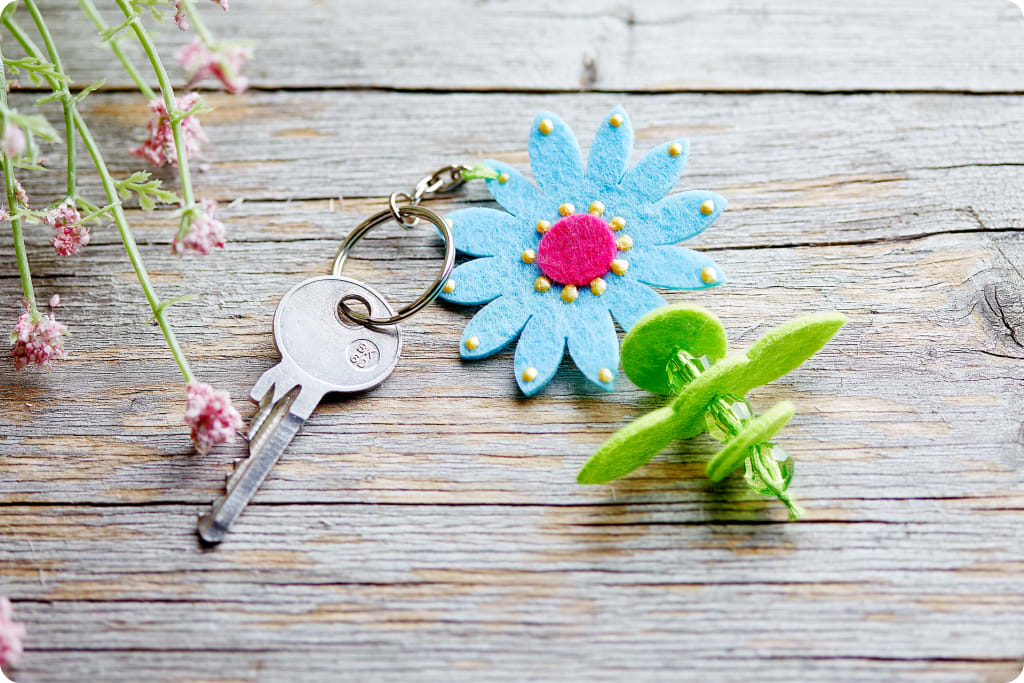
Latchkey childFull-day care makes sense when the parents work long hours or when children want to use the special support and leisure offers of full-day schools. Some children also take care of themselves for a few hours after school until their parents are home. Depending on the age and maturity of the childHere you can read from what age your child is ready to become a latchkey childReestablish the school routine
Discover more articles about childcare & school


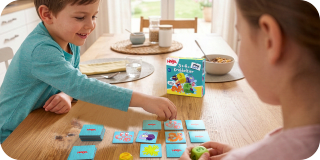








Image credits
Children in the classroom © twinsterphoto - stock.adobe.com
Children running with backpacks © davit85 - stock.adobe.com